Choosing a Booking System for WordPress
A website that cannot handle its own bookings eventually exposes a structural gap. What appears to be a question of scheduling is, in practice, a question of where the business actually operates. Once booking moves online, the site is no longer just presenting information. It begins coordinating availability, communication, payments, and client data in ways that extend beyond the page. The system chosen at this point does not simply manage appointments. It defines how these processes are organised and where they are held.
The first distinction is between booking systems that operate inside WordPress and those that exist as external services. Plugins such as Amelia, LatePoint, and Booknetic run within the site itself, storing appointment data alongside other content and allowing it to interact with forms, user accounts, and other plugins. Platforms such as Calendly and Acuity take a different approach, hosting the booking process externally and connecting through links or embedded interfaces. Both approaches solve the same problem at the surface, but they place the operational centre of the system in different locations.
That difference becomes more apparent as the system is used. When scheduling is handled within WordPress, bookings become part of the site’s internal structure and can extend into other processes without friction. The site begins to coordinate actions rather than simply receive them. External platforms maintain a separation, allowing scheduling to occur independently while the website directs traffic outward. This separation can be entirely workable, particularly in simpler setups, but it limits how tightly scheduling can be integrated with the rest of the system once additional requirements emerge.
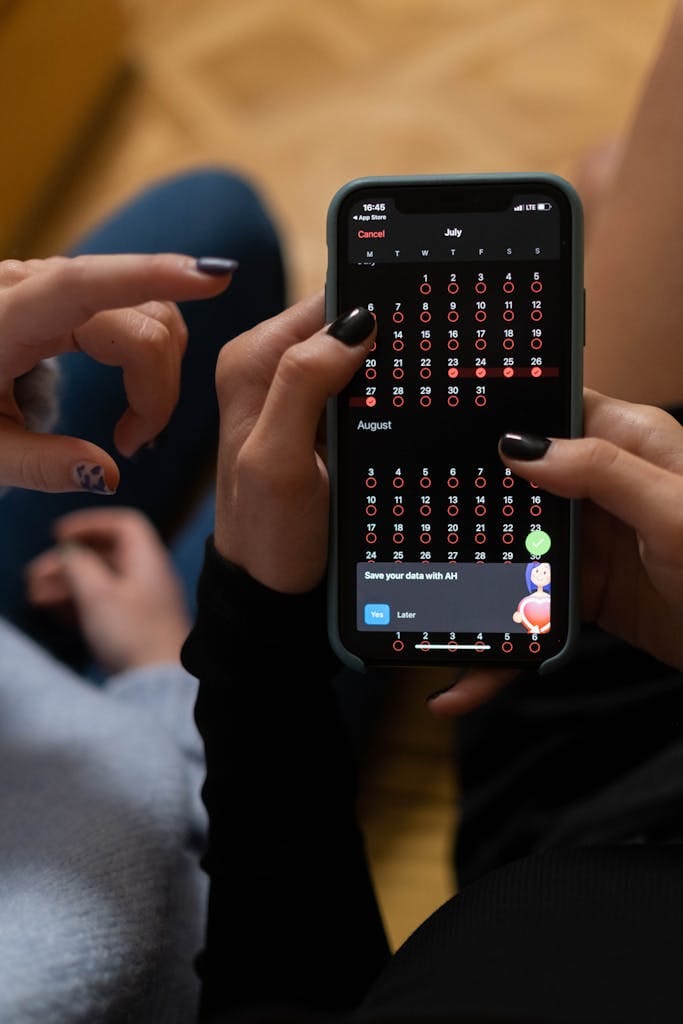
Booking systems turn a website into an operational tool. Appointments, reminders, and client data can all be managed from a single interface.

Modern booking systems do more than schedule appointments. They automate confirmations, reminders, payments, and client records behind the scenes.
Among WordPress-based solutions, three plugins appear consistently in more deliberate builds: Amelia, Booknetic, and LatePoint. Each provides the core capabilities required for modern appointment scheduling, but they differ in how those capabilities are structured and how the system is expected to behave.
Amelia is widely adopted in part because it presents these features in a polished and immediately legible interface. Its booking flow is clear, its calendar management is straightforward, and its built-in integrations for payments, notifications, and video calls reduce the effort required to establish a working system. For many service businesses, it provides a stable starting point that accommodates multiple staff members and locations without demanding extensive configuration.
Booknetic offers a similar range of functionality but distributes it through a more modular structure, where the core plugin provides scheduling and additional capabilities are introduced through extensions. This allows the system to expand gradually as requirements evolve, which can be useful in more complex builds, though it also introduces a level of configuration that is more explicit. The system is flexible, but it requires a clearer understanding of how its parts are assembled.
LatePoint approaches the same requirement from a different position, presenting itself less as a booking tool and more as an operational layer embedded within WordPress. Its interface resembles a lightweight management system, with services, agents, locations, and customers structured within the dashboard rather than treated as isolated settings.
This becomes particularly clear in the way LatePoint handles automation. Confirmations, reminders, follow-up messages, and workflow triggers can be configured directly within the system, allowing bookings to initiate sequences of communication without manual intervention. These interactions are not treated as add-ons but as part of the booking process itself, and they can extend across multiple channels depending on configuration.
At the same time, the booking interface presented to the visitor remains simple, moving through a sequence of selecting a service, choosing a time, entering details, and confirming the appointment. Beneath that sequence, the system retains control over how appointments are structured, including buffers, durations, pricing variations, and custom fields. The result is a system that appears straightforward while maintaining a clear internal organisation.
External platforms such as Calendly and Acuity Scheduling take a different position by removing this structure from the site entirely. Instead of building a system within WordPress, they host the booking process independently, and the website serves primarily as a point of entry.
For many individuals and smaller organisations, this approach is both sufficient and efficient. A working booking system can be established quickly without navigating plugin settings or integrations, and the platform manages much of the underlying complexity. Calendly is known for its clarity and speed of setup, while Acuity extends the model with features such as intake forms, package purchases, and client records, moving closer to a lightweight client management system.
The trade-off is that the booking process remains external to the site’s internal structure. Data is stored within the platform, and while integrations can connect it to other tools, they do not create the same level of cohesion as a system operating entirely within WordPress. For some use cases this distinction is minor. For others, it defines how far the system can be extended.
Cost structures between these approaches differ in ways that become more visible over time rather than at the point of initial setup.
WordPress plugins are typically purchased through licenses, either as one-time fees or recurring renewals, and once installed they become part of the site’s infrastructure. External platforms operate through ongoing subscriptions, which introduce a continuous operational cost tied to the service. Over several years, this difference can become significant, though it is rarely the primary factor in the decision.
More consequential is the extent to which the system supports automation and integration across the business. Booking systems rarely operate in isolation. They connect to calendars, trigger notifications, process payments, and often interact with other tools such as CRMs or membership systems. The effectiveness of a system is determined less by its initial cost than by how well it manages these relationships over time.
Once booking is introduced, the website begins to take on responsibilities that sit beyond presentation.
Scheduling, payments, confirmations, reminders, and client data move into the same environment, and the site starts coordinating these processes directly rather than deferring them elsewhere. What had previously been handled through email chains, calendar adjustments, and manual follow-up becomes structured within a system that runs continuously in the background.
From that point, the choice of booking system is less about features and more about where that system lives. Amelia, Booknetic, LatePoint, Calendly, and Acuity all support the act of scheduling, but they place the operational layer in different locations. Some keep it external and separate. Others embed it within the site itself. For businesses building around WordPress, plugins such as LatePoint allow the website to operate as part of the system rather than as a point of entry to it, and the decision turns on how much of that system the site is expected to carry.